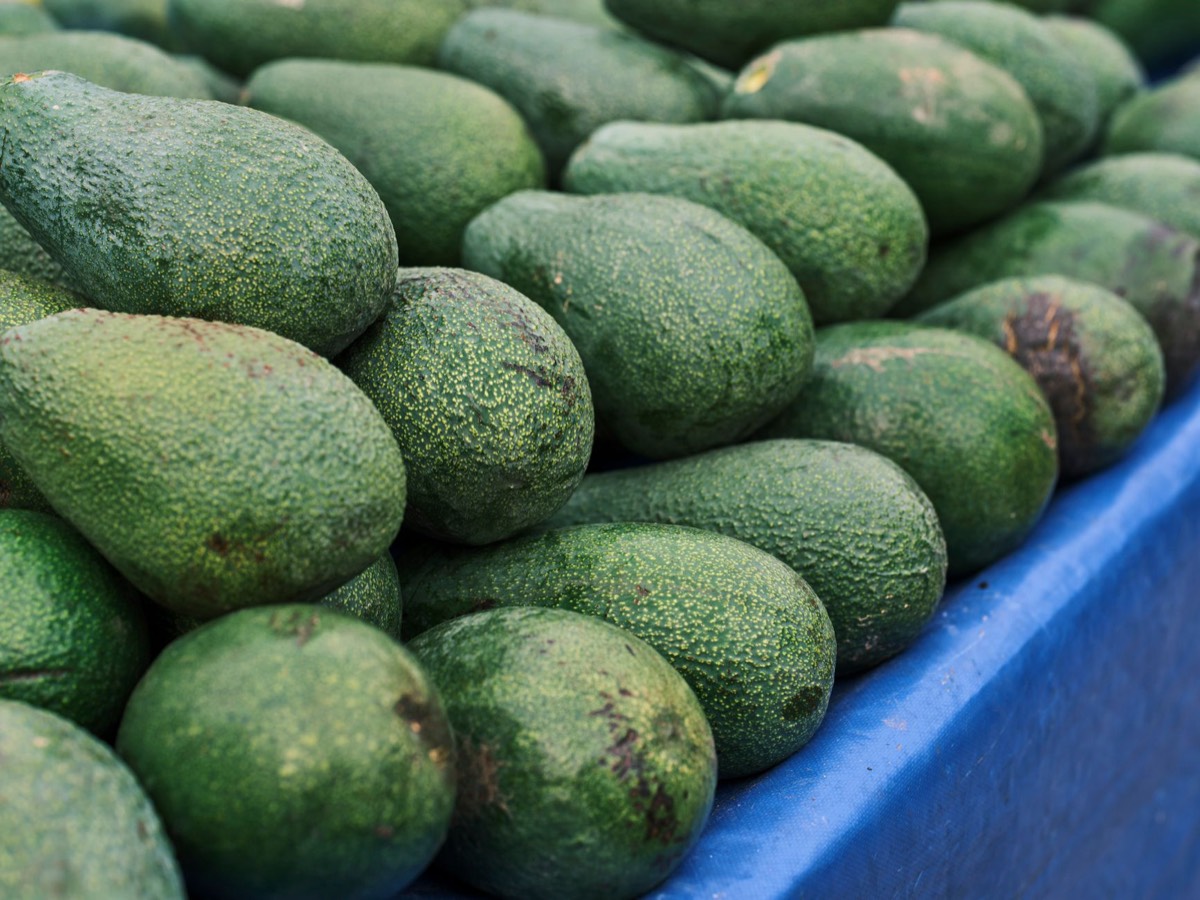
The single biggest reason a Kenyan avocado gets rejected abroad is not a bruise or a blemish. It is that it was picked too early. An immature Hass looks the part on the tree — dark, heavy, full-sized — but arrives at a European or Gulf market shrivelled, rubbery, and unable to ripen. The tool that separates a fruit ready to travel from one that only looks ready is dry matter, and learning to read it is the most valuable skill an avocado grower can build.
Dry matter is the percentage of a fruit that is not water — mostly oil and solids. In a Hass avocado, oil accumulates steadily as the fruit matures on the tree, so dry-matter content is a direct, reliable proxy for maturity. A fruit with too little dry matter has not yet stored enough oil to ripen properly once picked. It will never soften into that buttery texture partners pay for; it just goes rubbery and rots.
The relationship with eating quality is steep. Industry testing has found consumer acceptance of Hass drops sharply once dry matter falls below about 23%, and that shoppers strongly prefer higher-oil fruit when given the choice (Felix Instruments). That is why maturity — not size or colour — is the standard the whole export chain is built around.
Kenya has long been one of Africa's leading avocado exporters, and the trade is a serious earner — avocados rank among the country's top agricultural exports by value, worth well over KES 25 billion in a recent season (Ecofin Agency). But reputation is fragile. After years of early-harvest problems damaging the "Kenya" name in export markets, the Horticultural Crops Directorate raised the minimum dry matter for Hass to 24%, up from the previous 21% floor (Nation).
That number is enforced. Each season the Agriculture and Food Authority (AFA) sets an official opening date and will not license consignments before fruit in the region tests mature, while KEPHIS handles phytosanitary inspection and certification (Farmers Trend). Picking and selling immature fruit ahead of the season is now treated as the quality threat it is, and controls have tightened to stamp it out (FreshPlaza).
The stakes are competitive, not just regulatory. In 2025 Kenya's export volumes fell while Morocco expanded aggressively, and Moroccan fruit fetched higher prices — a direct reminder that consistent maturity and quality, not volume alone, decide who wins shelf space (Ecofin Agency).
You do not need a laboratory to know whether your block is ready. The reference method is simple and cheap:
Because fruit on the same tree matures unevenly, test several fruit and look at the average and the spread. If your average sits comfortably above the 24% floor and few individual fruit fall below it, the block is ready. Larger exporters increasingly speed this up with handheld near-infrared (NIR) meters that read dry matter without destroying the fruit, letting them screen many more samples per hour (Felix Instruments).
Harvesting at the right dry matter buys you a fruit that can ripen well. Poor handling afterwards throws that away. A mature Hass respires and generates heat the moment it leaves the tree, so the goal is to pull field heat out fast and hold the fruit cold and steady. Research points to storage around 4–5°C at high humidity to hold quality for several weeks in transit (Felix Instruments).
That cold chain is exactly where Kenyan fruit has struggled. Long sea routes, Red Sea disruptions, and gaps in refrigeration have pushed some consignments to air freight and even led AFA to restrict sea shipments during sensitive months to protect quality on arrival (FreshPlaza). A grower who nails maturity but breaks the cold chain still lands a poor fruit.
Ignore the calendar and the size of the fruit. Test dry matter, harvest only when your block averages safely above the 24% standard, and then guard that maturity with fast cooling and an unbroken cold chain to market. Get those two things right and your fruit ripens the way a partner expects — which is what earns repeat orders and a better price.
At Neoterra Agro, avocado is one of the fresh-produce lines we source and export, and it sits alongside the open-field F1 hybrid trials we run to help growers lift quality and consistency across their orchards. If you are weighing up an export program — or simply want a second opinion on maturity testing before you pick — talk to us. The past leads. The future grows.
Photo: Engin Akyurt / Pexels
This article is general industry information from Neoterra Agro. Figures and market claims are drawn from public sources where cited; where a source is not given, treat the point as indicative. For product specifications and current availability, contact our team.
 NEOTERRA