Every season the same question comes back to us on the farm: why pay several times more for a small tin of F1 hybrid seed when a bag of open-pollinated seed costs a fraction of it? It is a fair question, and the honest answer is that the price on the packet is the wrong number to compare. What matters is the cost per kilo of produce you can actually sell. On that measure, the expensive seed is usually the cheaper crop.
This is not a sales pitch for one product over another. Open-pollinated varieties (OPVs) earn their place, and we will come to where they win. But the comparison deserves real arithmetic, not slogans.
An F1 hybrid is the first-generation cross of two carefully maintained parent lines. Producing that seed means keeping both parent lines pure, hand-managing pollination, and testing every lot — which is why hybrids cost more to produce and therefore more to buy (RHS). The parent lines are also where a breeder stacks the traits that decide your season: resistance to diseases like fusarium wilt, bacterial wilt and the blights, tolerance to heat or to a virus that is common in your area, uniform fruit size, and shelf life.
That last group is the point. You are not buying a seed; you are buying a package of agronomic decisions made before the seed ever reached you.
Seed is one of the smallest lines in a vegetable budget. For open-field tomato in Kenya, the full cost of an acre — land preparation, seedlings, fertiliser, crop protection, staking, labour and harvest — typically runs into the low hundreds of thousands of shillings, of which seed is a minor share (Crazy Kanairo Farming). Everything else in that budget is spent whether your plants yield well or poorly. So the real question is what each variety does to the big lines, not the small one.
Three effects tend to dominate:
Stack those together and the seed premium is usually recovered several times over. A hybrid packet that costs more than an OPV one is trivial against even a modest lift in graded yield on a full acre.
Hybrids are not the answer to every plot. Because an F1's offspring segregate — saved seed from a hybrid will not breed true — you must buy fresh seed each season (Illinois Extension). For a grower who saves seed by choice or necessity, or who serves a market that pays a premium for a specific local or heirloom type, an OPV can be the better economic fit. Some traditional and African leafy vegetables also simply have stronger, more reliable OPV options than hybrid ones. The right choice follows the market you are selling into, not a rule.
There is a second cost hidden in cheap seed: quality you cannot see until it is in the ground. Whether hybrid or OPV, seed should be certified for germination, physical purity and trueness to variety. In Kenya, that certification is the job of KEPHIS, which tests seed lots for germination capacity, purity, moisture and seed-borne disease before they reach you. A packet that germinates at 60 percent instead of 90 percent quietly raises your true cost per established plant by half — and no discount on the tin makes up for gaps in the row and a broken transplanting schedule.
So the practical rule is: compare certified seed to certified seed. A cheap uncertified lot is not a bargain; it is an untested risk carried at your expense.
Before your next planting, work the comparison yourself:
This is exactly the reasoning behind our own [live trials](/live-trials) and the Performance Showcase greenhouse at our Rongai facility, where we field-test premium [seeds](/seeds) and inputs under Kenyan conditions rather than repeating claims from a brochure. When we recommend a variety, we would rather point to how it performed on the ground here.
Seed is the cheapest major decision you make all season and the one that quietly sets the ceiling on every other shilling you spend. Judge it by cost per kilo of produce you can sell, insist on certified quality, and match the variety to your market and your disease pressure. Do that, and the expensive packet will, more often than not, turn out to be the cheapest crop. If you want help choosing a variety for your conditions, [order with us](/order) and we will start from your numbers, not a catalogue.
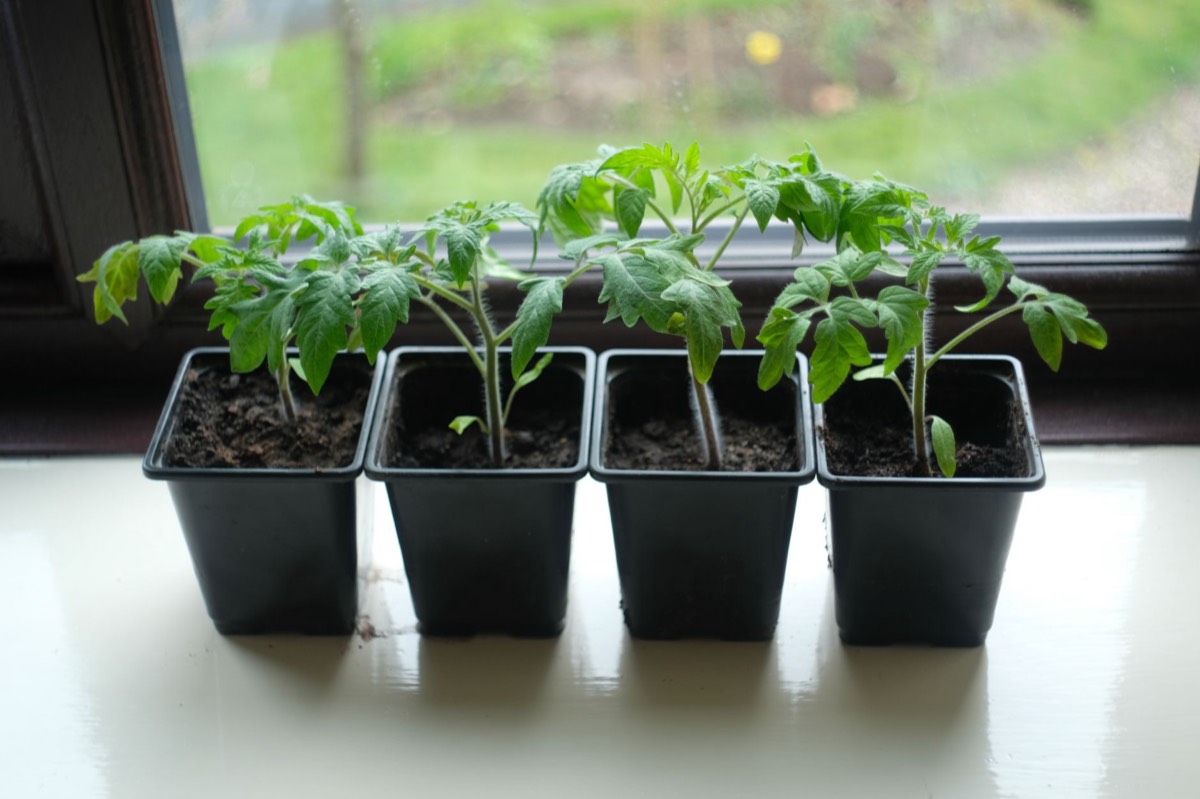
Photo: Judith Knight / Pexels
This article is general industry information from Neoterra Agro. Figures and market claims are drawn from public sources where cited; where a source is not given, treat the point as indicative. For product specifications and current availability, contact our team.
 NEOTERRA